Finding Peace Outdoors
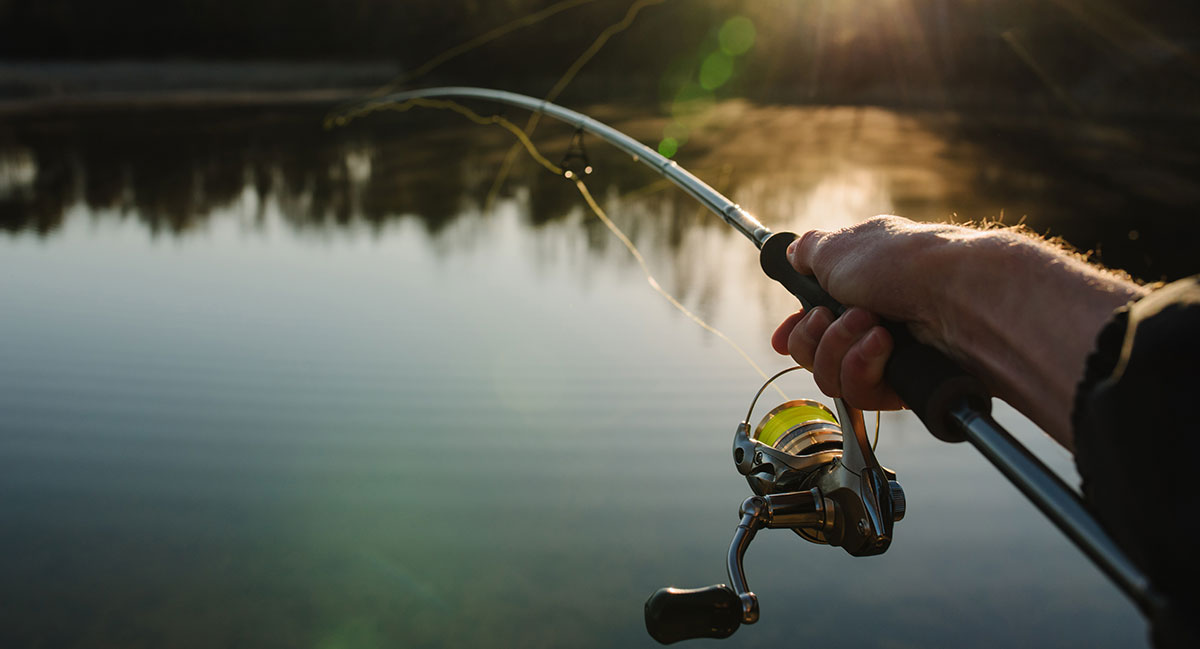
Growing up in Bismarck, North Dakota, I spent much of my time at the lake. Fishing was a family tradition, and those summer days shaped the way I see the world. Even now, I make it a priority to spend time outdoors whenever I can. There is something about being surrounded by water, trees, and open skies that helps me slow down and clear my mind.
Outdoor adventures, especially fishing, are not just relaxing. They have real benefits for mental health. Being outside reduces stress, improves mood, and encourages mindfulness. “There is a rhythm to fishing that allows your mind to focus and reset,” I often say. “It gives you a break from the noise of daily life and helps you think more clearly.”
How Fishing Boosts Mental Clarity
Fishing requires patience, observation, and focus. You have to watch the water, notice subtle movements, and wait for the right moment. These skills transfer directly to other parts of life. I have noticed that after a morning on the lake, my mind feels sharper and more creative.
“There is something about being outside with no distractions that opens up space for new ideas,” I explain. “I often come up with solutions to problems or new photography ideas while sitting by the water.”
Even if you are not fishing, simply spending time outdoors in nature has similar benefits. Walking along a trail, kayaking, or sitting quietly by a river can help you process thoughts and improve mental clarity.
Creativity and Observation
Outdoor adventures also enhance creativity. Nature is full of inspiration, from the patterns of light on the water to the way trees move in the wind. I have combined my love of photography with time spent outdoors, capturing moments that would be easy to overlook otherwise.
“Being outside trains you to notice details,” I say. “A bird landing on a branch, a reflection on the water, or the changing colors of the sky can all inspire creativity in ways you do not expect.”
Spending time in nature helps you think differently. Without the distractions of phones, work, or schedules, your brain has room to wander. Ideas flow more freely, and you can see problems from new angles.
The Mental Health Benefits of Routine Outdoor Time
Making outdoor time a regular habit is important. I try to plan trips to the lake or other natural spaces, even for short periods. These routines provide a mental reset and help maintain balance in my life.
Regular exposure to nature has been shown to reduce anxiety, improve mood, and increase overall well-being. Personally, I feel calmer and more focused after spending even a few hours outside. Fishing, hiking, or simply sitting quietly by the water helps me recharge both mentally and physically.
Connecting with the Environment
One of the most rewarding aspects of outdoor adventures is the connection to nature. Observing wildlife, noticing seasonal changes, and paying attention to the small details around you encourages mindfulness. Photography has helped me appreciate this connection even more. Capturing the beauty of a lake at sunset or a fish jumping out of the water reminds me to slow down and observe the world closely.
“Being outdoors teaches you patience and presence,” I often say. “You learn to appreciate moments as they happen, instead of rushing through them.”
Social Benefits of Outdoor Activities
Outdoor activities can also strengthen relationships. I have spent countless hours fishing with family and friends, creating memories that last a lifetime. Sharing these experiences fosters connection, communication, and teamwork. Even solo trips can improve social interactions by boosting your mood and confidence, which carries over into your daily life.
“Some of my best conversations happen after a morning on the lake,” I explain. “You have time to reflect, share thoughts, and enjoy the company of others without distractions.”
Tips for Getting Started
If you are looking to improve your mental health and creativity, outdoor adventures are a great place to start. You do not need special equipment or experience. Start small with a walk in a park, a short hike, or a few hours fishing at a local lake.
Pay attention to your surroundings and stay present. Leave your phone in your bag if possible, and focus on the sights, sounds, and smells around you. Even short sessions can help clear your mind and spark creativity.
If you enjoy photography, bring a camera along to capture moments that inspire you. Not only does it give you a creative outlet, but it also encourages mindfulness as you observe and frame your shots.
Lessons Learned from the Outdoors
Spending time outdoors has taught me patience, observation, and the value of taking breaks. It has reinforced that mental clarity and creativity often come from slowing down and letting your mind rest. I also have a deeper appreciation for nature and the ways it can positively impact our lives.
“The outdoors is one of the best ways to recharge your mind and spark creativity,” I say. “It reminds you to slow down, notice details, and enjoy the world around you.”
Final Thoughts
Fishing and outdoor adventures are more than hobbies. They are tools for mental wellness, creativity, and personal growth. Spending time outside allows you to clear your mind, gain perspective, and return to daily life with renewed energy.
Whether you fish, hike, kayak, or simply sit quietly by a lake, outdoor time can make a meaningful difference in your mental health and creative thinking. For me, it has been a lifelong source of balance, inspiration, and calm. Taking the time to connect with nature is one of the simplest and most effective ways to care for your mind and spark new ideas.