Finding Purpose in Small Acts of Kindness
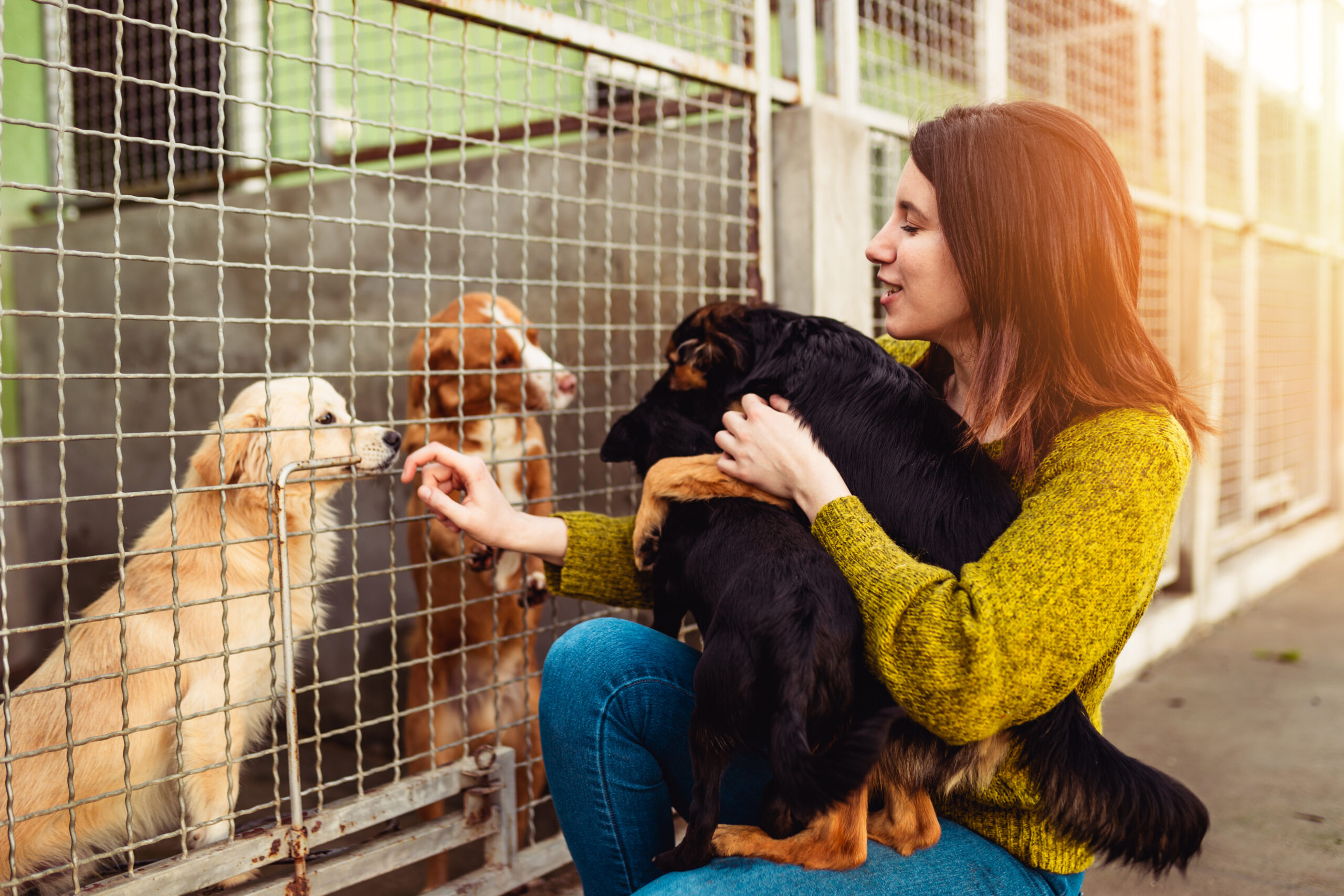
The first time I volunteered at an animal shelter, I had no idea what to expect. I figured I would be cleaning cages for a few hours, maybe just trying to help out a little. What I didn’t realize was how much those few hours would change me.
Volunteering at an animal shelter is not just about feeding animals or cleaning up after them. It is about giving time, compassion, and energy to creatures that need it most. The beauty of it is that anyone can do it. You don’t have to be a professional trainer, an expert in animal care, or have a ton of free time. You just need a willingness to show up and make a difference.
Why Shelters Need Volunteers
Animal shelters run on love and hard work, but they also depend heavily on volunteers. The staff members at shelters are often stretched thin, caring for dozens or even hundreds of animals every day. Volunteers help lighten that load and bring extra attention to animals that crave companionship.
Even small efforts make a big difference. A volunteer who walks dogs for an hour gives them a chance to stretch their legs and burn off energy. Someone who spends a few minutes petting cats helps them become more social and ready for adoption. People who take photos or help with social media can draw attention to animals who might otherwise go unnoticed. Every task, no matter how small it seems, contributes to the bigger goal of finding these pets a forever home.
Finding Your Role
One of the best things about volunteering at an animal shelter is that there’s something for everyone. If you love spending time with animals, you can help with walking, feeding, or grooming. If you are more comfortable behind the scenes, you can organize supplies, assist with paperwork, or help plan fundraising events.
Some shelters even look for volunteers with specific skills. Photographers can capture adoption photos that melt hearts online. People with marketing experience can help with community outreach. And those who enjoy talking to others can attend adoption events and help match families with their perfect pets.
No matter what you do, it all matters. The key is finding a role that fits your strengths and comfort level. When you do, volunteering feels less like work and more like a meaningful part of your routine.
The Emotional Rewards
I won’t sugarcoat it—volunteering at an animal shelter can be emotional. You’ll meet animals that have been abandoned, mistreated, or simply misunderstood. Some days will break your heart. But most days will fill it right back up.
Watching a shy dog slowly gain confidence or seeing a cat finally find a loving home is an experience that words can’t quite describe. You start to realize how much impact you can have just by showing kindness and patience. Animals have an incredible ability to forgive, to trust again, and to love deeply. Being part of that healing process is one of the most rewarding things I’ve ever done.
Learning While You Give
Another thing I’ve learned is that volunteering teaches you just as much as it helps the animals. You pick up new skills, like handling different temperaments, understanding animal behavior, and even basic training techniques. You also learn the importance of teamwork, communication, and consistency.
Most of all, volunteering reminds you to slow down and appreciate the little things. When you see a dog wagging its tail because you showed up to walk it, or a cat purring in your lap for the first time, it’s impossible not to feel grateful. These moments remind you that you don’t have to make grand gestures to make a difference—sometimes, showing up is enough.
How to Get Started
Getting involved with a shelter is easier than most people think. Start by reaching out to your local animal shelter or rescue organization. Many have websites or social media pages where they post volunteer opportunities. You can usually fill out an application online, attend an orientation, and start helping out within a few weeks.
If you are not sure how much time you can commit, that’s okay. Even a few hours a month makes an impact. Some people start by helping at one-time events or weekend adoption drives before committing to a regular schedule. Others choose to foster animals temporarily in their homes, giving them love and stability until they are adopted.
The most important thing is to start somewhere. Every shelter needs people who care. Whether you’re walking a dog, cleaning a kennel, or simply sitting with a nervous cat, you’re part of something much bigger than yourself.
Changing Lives—Including Your Own
Volunteering at an animal shelter doesn’t just change the animals’ lives—it changes yours too. It gives you perspective, purpose, and a sense of belonging. You start to realize that the time you spend helping out isn’t just about animals finding homes. It’s about spreading kindness, one paw at a time.
When I think about all the animals I’ve met through volunteering, I can remember each face and each story. Knowing that they have been adopted and have new families brings me joy. That feeling never gets old.
Final Thoughts
Anyone can make a difference at an animal shelter. You don’t need special training or experience. You just need heart. When you volunteer, you become part of a community that believes in compassion, second chances, and hope.
So if you’ve ever thought about helping out, take that first step. Visit your local shelter. Ask how you can contribute. You might walk in thinking you’re there to help animals—but chances are, you’ll walk out realizing they helped you too.